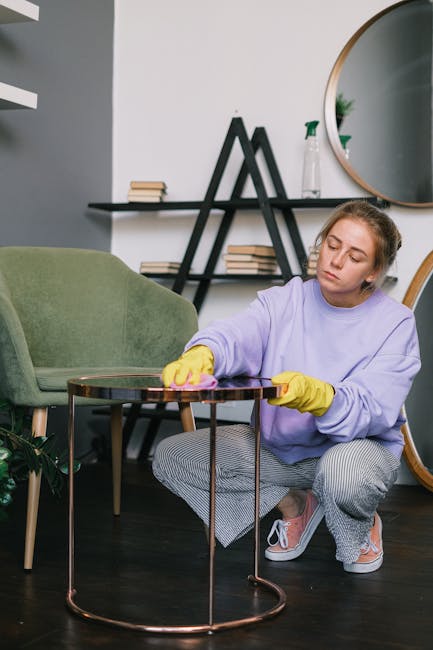
Clapham Junction upholstery cleaning same day service: a practical guide to fast, careful fabric care
If you need Clapham Junction upholstery cleaning same day service, chances are something has gone a bit wrong at the worst possible time. A spill before guests arrive. A sofa that picked up a smell overnight. A chair in the office that suddenly looks embarrassingly tired. We've all had those moments where you stare at the mark and think, well, that's not ideal.
This guide explains how same-day upholstery cleaning works, what you can realistically expect, and how to decide whether it's the right move for your furniture. You'll also find practical steps, common mistakes to avoid, and a useful checklist to help you get a better result. For a broader overview of fabric care, it can help to read about upholstery cleaning, sofa cleaning, and stain removal too.
Same-day service is not just about speed. Done properly, it is about using the right method quickly, protecting the fabric, and making sure the job does not turn into a rushed clean that leaves water marks, shrinkage, or a half-finished result. Truth be told, that balance matters more than most people realise.
Why Clapham Junction upholstery cleaning same day service Matters
Clapham Junction is busy, fast-moving and full of homes, rentals, shared flats and workplaces where furniture gets used hard. A same-day upholstery clean matters because upholstery problems rarely wait for a convenient slot. A fresh spill can set before evening. Pet odours can become more noticeable by the hour. And if you are preparing for a viewing, handover or last-minute visitor, a visibly dirty sofa can affect how the whole room feels.
Upholstery is also more delicate than many people assume. The fabric, fill, stitching and backing can all react differently to moisture and cleaning chemistry. So the real value of a same-day service is not just speed; it is getting a trained cleaner to assess the item quickly and use a method that suits the material. That's the difference between "clean enough" and "properly looked after."
There is a local angle too. In a neighbourhood like Clapham Junction, lots of properties are compact, lived-in and time-sensitive. One-off help often makes more sense than waiting days for a slot, especially if you are juggling work, family, tenants or travel. A responsive cleaning visit can reduce stress fast, which is sometimes half the battle.
Expert summary: same-day upholstery cleaning is most valuable when timing is tight, the fabric needs careful handling, and you want to stop a small issue becoming a bigger one.
How Clapham Junction upholstery cleaning same day service Works
Most same-day jobs follow a fairly simple process, though the details vary by cleaner and by fabric type. You contact the provider, explain the item, describe the issue, and share anything relevant about the fabric, stain or odour. If possible, photos help a lot. A good cleaner can often tell from the pictures whether a wet clean, low-moisture method or targeted spot treatment is the safest route.
The next step is usually a quick check of availability and job suitability. Same-day service is easiest for straightforward residential work: a sofa, armchair, dining chair, ottoman, or sectional with accessible space around it. It can be more complicated if the item is heavily soiled, very fragile, or requires long drying time before use. Let's face it, not every chair can be rescued in an hour and a half.
On arrival, a competent cleaner should inspect the fabric label where available, test a small hidden area, identify the construction of the upholstery, and choose the right cleaning solution. That might be hot water extraction, low-moisture cleaning, controlled hand cleaning, or a targeted stain removal treatment. If the fabric is sensitive, the cleaner may reduce moisture or avoid certain techniques altogether.
The actual clean often includes vacuuming, pre-treatment, agitation where needed, extraction or wiping, and then a drying recommendation. Drying time varies a lot depending on fabric, room ventilation and method used. If somebody promises miracle-fast drying without even seeing the fabric, be cautious. That always sounds a bit too neat.
If you also need related fabric care, many households combine upholstery work with rug cleaning or even curtain cleaning during the same visit, though only if the cleaner confirms it is practical.
Key Benefits and Practical Advantages
The main advantage is obvious: speed. When a sofa stain is still fresh, or when odour is beginning to settle, acting the same day can improve the outcome. But there are other benefits worth considering too.
- Less chance of staining becoming permanent: the sooner a spill is treated, the easier it is to lift.
- Lower disruption: you may not need to rearrange your week around a later appointment.
- Better presentation: useful before guests, photos, property viewings or check-outs.
- Healthier-feeling spaces: removing dust, grime and odours can make a room feel much fresher.
- Fabric protection: a proper clean can reduce the build-up that wears fabric down over time.
There is also a quiet practical win here. A clean sofa or chair changes how the whole room reads. You notice it when you sit down; the room smells lighter, looks brighter, and somehow feels less tired. Not glamorous, maybe, but genuinely satisfying.
For landlords, tenants and business owners, same-day service can also reduce friction. A quick turnaround can support handovers, reduce complaints, and keep furnishings presentable without waiting for a future slot that may not suit anyone.
Who This Is For and When It Makes Sense
This service makes sense for a surprisingly wide range of people. It is not only for emergencies, though that is often why people call.
Homeowners and tenants
If you have a sofa with a tea spill, a dining chair with food marks, or a fabric headboard that needs a tidy-up before visitors arrive, same-day cleaning can be a sensible move. In rented homes, it can also help before inspections or at the end of a tenancy, especially when the upholstery is part of the furnished inventory.
Landlords and letting agents
Turnovers move quickly in London. A tenant may leave on Friday and a viewing may be booked for Saturday. In that kind of window, a fast upholstery clean can make a major difference to perceived upkeep. It may not solve everything, but it usually helps the property feel cared for.
Small offices and commercial spaces
Waiting rooms, client-facing offices and meeting areas often rely on upholstered chairs that show wear faster than expected. For businesses, a same-day visit can reduce downtime and keep the space looking professional. If the whole building needs broader attention, office cleaning or commercial cleaning may be worth considering alongside it.
Pet owners
Pet accidents need speedy attention. A fresh stain may be manageable; a settled odour is harder work. Same-day help can be especially useful if you want to tackle the issue before it sinks deeper into foam or cushions. Related treatments like pet stain odour removal can be helpful where the problem is more than a surface mark.
Families and busy households
Children, snacks, messy lunches, the odd juice spill. It happens. If you are already dealing with a lot, a same-day upholstery clean can take one task off your plate without turning the day upside down.
Step-by-Step Guidance
If you want the clean to go smoothly, a small amount of prep helps a lot. Here is the most practical way to approach it.
- Identify the item and the problem. Note the furniture type, fabric if known, and whether the issue is a stain, smell, general dullness or a mixture of all three.
- Take clear photos in good light. Close-up shots and wider room shots can help the cleaner judge access and fabric condition.
- Clear access around the furniture. Move side tables, blankets, cushions and anything fragile out of the way.
- Ask about the method. Check whether the cleaner expects to use hot water extraction, low-moisture cleaning or manual stain treatment.
- Confirm drying expectations. Drying time is often the hidden detail people forget. Ask what to expect before booking.
- Share useful background. Mention pets, previous DIY stain products, water damage, or any recent attempts to clean it yourself.
- Follow the aftercare advice. That may include keeping the room ventilated, avoiding heavy use, and not placing throws back on too early.
One small but important point: do not keep rubbing a stain while waiting for help. It sounds helpful; often it just pushes the mark deeper. A gentle blot is usually safer than a heroic scrub. Your sofa will thank you, quietly.
Expert Tips for Better Results
A few smart habits can improve the result significantly, especially on same-day jobs where time matters.
- Act quickly, but not recklessly. Blot spills gently and avoid soaking the area with random household cleaners.
- Use ventilation. Open windows if possible and keep air moving, especially after a wet clean.
- Be honest about previous treatments. Some sprays leave residues that react badly with professional solutions.
- Ask for a patch test where sensible. On delicate fabrics, a hidden test spot can prevent surprises.
- Think beyond the stain. If the whole sofa looks tired, a targeted spot clean may not be enough. Sometimes a broader clean gives the better end result.
- Match the method to the fabric. Velvet, wool blends, linen-look synthetics and faux suede all behave differently.
If the furniture is valuable or sentimental, mention that upfront. A good cleaner will slow down, assess carefully, and avoid treating it like a generic rental item. Which, to be fair, is exactly what you want.
You may also want to pair upholstery care with deep cleaning or domestic cleaning if the rest of the room needs attention too. That can save time and keep the whole space consistent.
Common Mistakes to Avoid
Some upholstery damage happens during the panic phase. It is understandable, but avoidable.
- Using too much water: over-wetting can lead to slow drying, tide marks, or wicking, where the stain reappears as the fabric dries.
- Scrubbing aggressively: this can distort fibres and spread the mark.
- Applying random cleaning products: bleach, strong degreasers or multipurpose sprays can ruin colour or texture.
- Ignoring the fabric label: if the manufacturer gives care instructions, they matter.
- Booking the wrong service for the job: a same-day visit is helpful, but it still needs the right method.
- Expecting every mark to vanish completely: some stains, especially old dye transfer or heat-set marks, may improve a lot but not disappear entirely.
Another common mistake is waiting until the item smells bad before doing anything. By then, odour has often settled into foam and seams. Early action saves time and, honestly, saves you from that slightly awkward "what is that smell?" moment when someone sits down.
Tools, Resources and Recommendations
For a same-day upholstery clean, the most useful "resources" are not fancy. They are simple, practical and easy to hand.
| What helps | Why it matters | Best use |
|---|---|---|
| Photos of the item | Helps assess size, access and stain type | Before booking |
| Fabric care label | Guides the cleaning method | During inspection |
| Clear floor space | Speeds up setup and drying | Before arrival |
| Good ventilation | Supports drying and reduces lingering moisture | After cleaning |
| Plain white cloths | Useful for gentle blotting | Immediately after a spill |
On the service side, if you are comparing where the clean fits into a wider household reset, pages like carpet cleaning, steam carpet cleaning and mattress cleaning are useful to understand the broader care options available.
For pricing expectations, it is sensible to look at a provider's pricing and quotes information rather than guessing from an online search. Same-day requests often depend on access, fabric type, item count and urgency. There is no honest one-size-fits-all answer, and anyone pretending otherwise is probably overselling it.
Law, Compliance, Standards, or Best Practice
Upholstery cleaning is not usually a heavily regulated service in the way some trades are, but best practice still matters a great deal. A trustworthy cleaner should work carefully, explain limitations honestly, and use products in a way that is suitable for the furniture and the setting.
In the UK, good practice generally includes sensible risk assessment, clear communication, and attention to safety around electrical items, slip hazards and wet floors. If a cleaner is operating in a domestic or commercial space, they should also be mindful of the property's rules and any access arrangements. For peace of mind, it helps to review health and safety guidance and insurance and safety information before booking any service that involves water, chemicals or site access.
There is also a practical compliance angle around transparency. A service should set out what is included, what is not included, and any relevant exclusions. That is especially important for same-day work, where the temptation can be to rush decisions. Clear terms matter. So does clear communication, even when the stain is staring back at you and time is short.
Where sustainability matters, it is reasonable to ask how wastewater, packaging and consumables are handled. A responsible provider should be able to speak plainly about waste handling and recycling practices, and their recycling and sustainability approach can be a good sign of how carefully they run the rest of the service.
Options, Methods, or Comparison Table
Not every upholstery problem needs the same response. Here is a simple comparison to help you think through the main options.
| Method | Best for | Pros | Watch-outs |
|---|---|---|---|
| Hot water extraction | General dirt, some stains, deeper refresh | Thorough clean, good for many fabric types | Can increase drying time if overused |
| Low-moisture cleaning | Delicate items, quicker turnaround | Faster drying, less saturation | May be less effective on heavy soil |
| Hand spot treatment | Isolated marks, fresh spills | Targeted and efficient | Not always enough for full restoration |
| Odour-focused treatment | Pet smells, food odours, lingering dampness | Helps with freshness | May need combination with other methods |
If you are unsure, it is usually better to let the cleaner decide after inspection rather than choosing a method by name. Two sofas can look similar and still need different treatment. Fabric is funny like that.
Case Study or Real-World Example
Imagine a small flat near Clapham Junction with a cream fabric sofa in the living room. A coffee cup tips during the morning rush and leaves a dark ring on one seat cushion. There is no time to leave it for a later date because friends are visiting that evening.
The quickest sensible response is to blot the spill gently, avoid adding household spray, and request a same-day upholstery visit. When the cleaner arrives, they inspect the cushion, test a hidden patch, and treat the ring with a fabric-appropriate solution. The result is not a magical transformation in ten seconds. It is more like steady, controlled improvement: the mark softens, the fabric evens out, and the room stops feeling stressed.
That is what good same-day service does best. It reduces panic and restores normality. Sometimes that is all you need. Not perfection, just back-to-usable, back-to-nice, back-to-living.
In a business setting, the same logic applies. A reception chair with a fresh mark before a client meeting may not need a full redesign of the room. It just needs fast, competent attention so the space looks presentable again.
Practical Checklist
Use this quick checklist before the cleaner arrives.
- Take photos of the furniture and stain.
- Note the fabric type if you know it.
- Move small items away from the area.
- Make sure there is space to work around the item.
- Open windows if weather and security allow.
- Tell the cleaner about pets, kids, previous cleaning products or recent spills.
- Ask about drying time and when the item can be used again.
- Keep throws, cushions and covers nearby but separate.
- Confirm whether the visit is for spot cleaning or a fuller refresh.
- Plan not to use the item heavily until it is fully dry.
Small reminder: the best results usually come from clear information, quick action and a bit of patience after the clean. Not glamorous, but it works.
If you want the whole property to feel fresher, you may also explore one-off cleaning, regular cleaning or house cleaning to cover the wider space around the furniture.
Conclusion
Clapham Junction upholstery cleaning same day service is at its best when you need a fast response without sacrificing care. It is useful for spills, odours, guest preparation, rental turnovers and the ordinary little disasters that happen in real life. The trick is to choose speed with judgement: the right method, the right expectations and the right aftercare.
In practice, that means sharing useful details, avoiding DIY panic tactics, and working with a cleaner who treats your furniture as something worth protecting. That is the whole point, really. A quick service should still feel considered.
And if you are dealing with a sofa, chair or set of cushions that has become one problem too many, there is no need to overthink it. Get the facts, ask the right questions, and take the next step with confidence. A fresher room has a way of calming everything down.
Get a free quote today and see how much you can save.
Frequently Asked Questions
How fast is same-day upholstery cleaning in Clapham Junction?
It depends on availability, the size of the job and the fabric involved. Simple upholstery jobs can often be handled quickly, but same-day means same day, not instant. The cleaner still needs time to inspect, treat and dry the item properly.
Can all stains be removed on the same day?
No, and anyone promising that would be overconfident. Fresh spills are usually easier than old, set-in marks, but some stains have already bonded with the fibres or dye. A good clean should improve the look and feel even when full removal is not realistic.
Is same-day upholstery cleaning safe for delicate fabrics?
It can be, provided the cleaner uses the right method and tests the fabric first. Delicate textiles often need lower-moisture treatment or a more careful hand-cleaning approach. That is why fabric identification matters so much.
How long does upholstery take to dry after cleaning?
Drying time varies depending on the fabric, the method used, room temperature and ventilation. Lighter cleaning methods often dry faster. If you need quick turnaround, ask about drying expectations before you book so there are no surprises later.
Should I vacuum the sofa before the cleaner arrives?
If you have time, a light vacuum can help remove loose dust and crumbs, but it is not essential. The more important thing is to clear access and avoid using sprays or rubbing the stain. That usually does more harm than good.
What types of furniture can be cleaned the same day?
Sofas, armchairs, dining chairs, footstools and some headboards are common same-day jobs. Larger or more awkward items may still be possible, but access, fabric type and drying time need to be checked first.
Is same-day service more expensive?
It can be, depending on urgency, travel and the size of the job. Some providers charge more for short-notice appointments, while others keep pricing straightforward. The safest approach is to ask for a clear quote rather than assume.
What should I do if I spilled something on upholstery just now?
Blot the area gently with a clean cloth, do not scrub, and avoid using harsh products. If the spill is likely to stain or smell, book a same-day clean as soon as possible. Fast action improves the odds.
Can pet smells be removed from upholstery the same day?
Often, yes, at least to a meaningful degree. Fresh pet accidents are usually easier than long-term odours. If the smell has soaked into cushions or padding, the cleaner may recommend a more targeted treatment.
Do I need to move the furniture before the cleaner arrives?
Usually not the main item itself, unless you have already agreed that with the cleaner. What helps most is clearing the surrounding space so the technician can work safely and reach all sides of the item if needed.
Can I combine upholstery cleaning with other services?
Sometimes, yes. It may make sense to combine upholstery work with carpet, rug or sofa-related services if the timing works and the cleaner confirms it is practical. Combining tasks can be efficient, especially in busy homes or rental properties.
How do I know I am choosing the right cleaner?
Look for clear communication, realistic drying advice, sensible questions about fabric type, and transparent pricing. A reliable provider will explain what they can do, what they cannot promise, and how to care for the item afterwards. That kind of honesty is a good sign.
What if my upholstery has already been cleaned badly before?
Tell the cleaner. Previous DIY attempts or poor cleaning can leave residues, water marks or fibre distortion, and that changes the approach. The more background you give, the better chance the cleaner has of avoiding further damage.
Where can I learn more about upholstery care on the site?
You can start with the main upholstery cleaning page, then look at related services such as sofa cleaning, stain removal and pricing and quotes if you want a fuller picture before booking.